Defining Competency Benchmarks for Oman's Energy and Minerals Workforce
National Occupational Standards define the skills, knowledge, and abilities needed to excel in a specific role. Developed by industry experts, they ensure consistent performance and guide training, assessment, and certification.
Explore NOSDefining Competency Benchmarks for Excellence in Oman's Energy and Mineral Sector

Crafted by sector specialists to reflect real-world job requirements.

Precise descriptions of tasks, competencies, and knowledge areas.

The foundation for curricula, qualifications, and assessment frameworks.

Criteria for evaluating, certifying, and advancing professionals.

Regularly updated to keep pace with evolving technology and practices.

Validates workforce competence, boosting career mobility and industry trust.
Aligning Workforce Skills with National Occupational Standards for Enhanced Performance

Defining Skill Benchmarks for Excellence in Oman's Energy and Minerals Sector
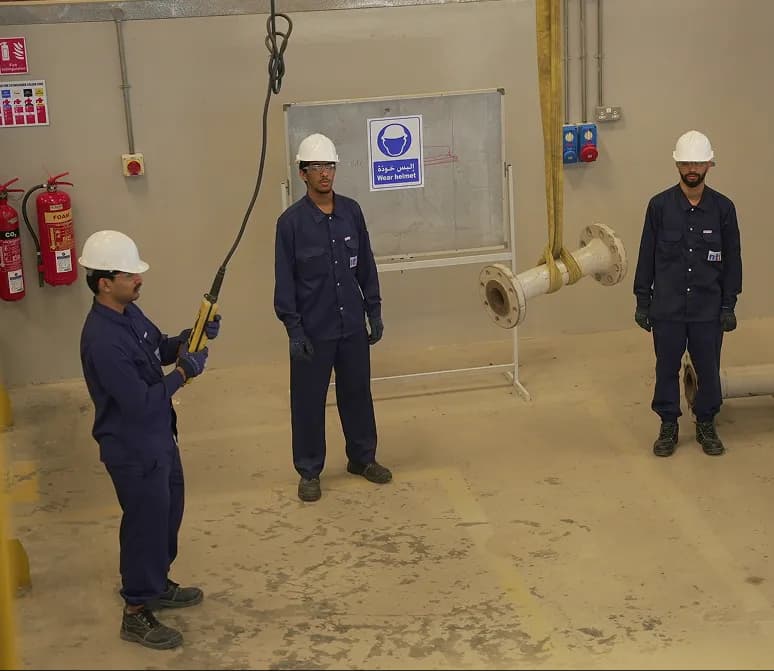
Lifting operations refer to activities involving the raising or lowering of loads using equipment such as cranes, hoists, forklifts, or other mechanical devices. These operations are crucial across various industries for tasks like material handling, construction, manufacturing, and logistics.
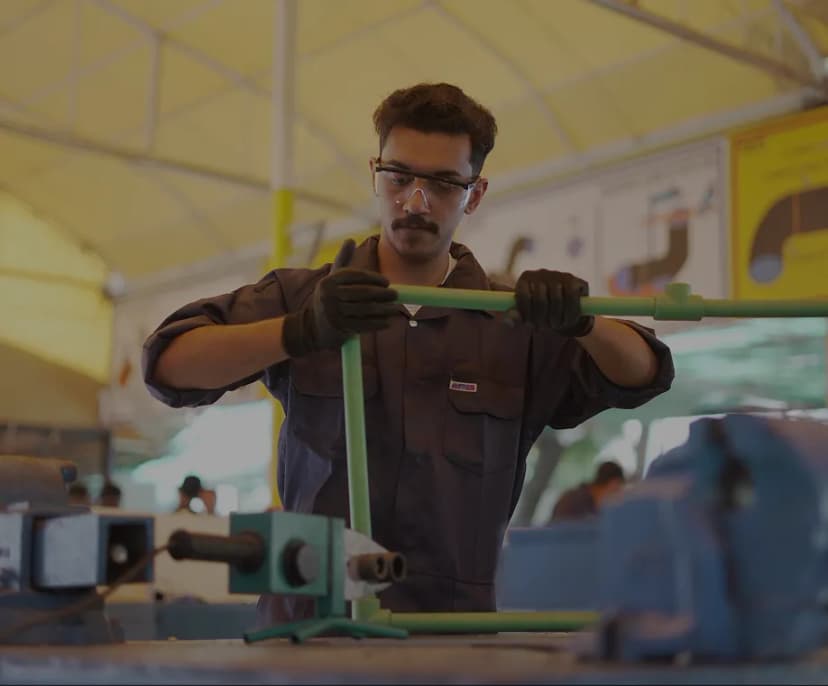
Engineering Maintenance & Instrumentation Occupation refers to a professional field that involves activities related to the maintenance, repair, and optimization of engineering systems, equipment, and instrumentation devices.
This field focuses on developing and implementing practices, policies, and guidelines to protect the well-being of individuals, the environment, and property within various organizations and industries.
This National Occupational Standards outline the specific skills, knowledge, and competencies that individuals in the welding & fabrication profession should possess. This includes criteria related to various welding processes, safety practices, use of welding equipment, and the ability to produce high-quality welds. It also includes criteria related to cutting, shaping, assembling, and welding metal components to create structures or products. It may also encompass aspects of blueprint reading, quality control, and safety.
Hard Facility Management refers to the management and maintenance of the physical infrastructure and assets within a facility. It deals with the tangible and physical aspects of a building or property. This encompasses a range of technical and structural services aimed at ensuring the optimal functioning, safety, and efficiency of a facility.
Mechanical Manufacturing Engineering refers to a specialized branch of engineering that focuses on the design, development, and optimization of manufacturing processes and systems for the production of mechanical components and products. This field combines principles of mechanical engineering with manufacturing technologies to create efficient and cost-effective methods of producing goods.